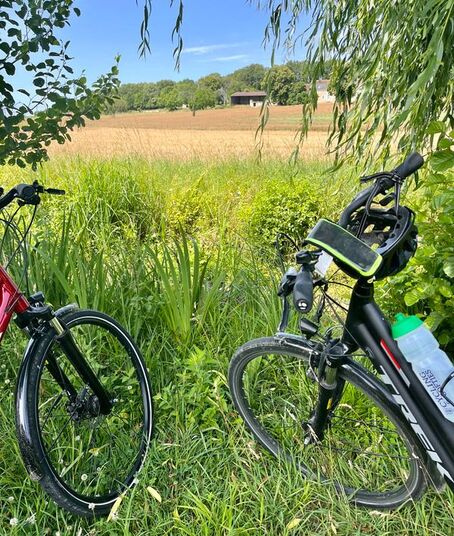
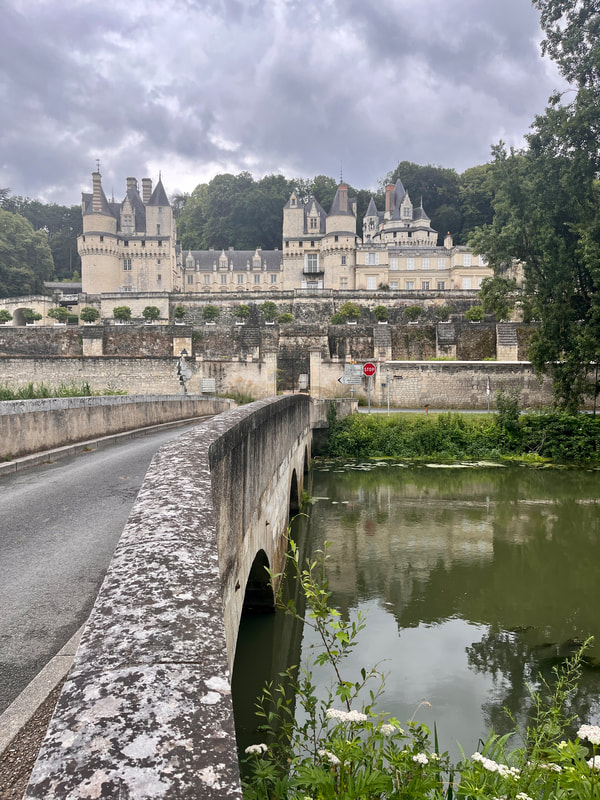
My husband and I were fitted with our bikes and eagerly set out on our three-day adventure through the Loire Valley in France. Armed with a pre-programmed route on our GPS app, we spent the next few days rolling past vineyards, picnicking next to streams, and visiting majestic chateaus. Despite contending with the elements, both the occasional rain shower and summer sun, we covered a hundred miles and saw the Loire Valley in a way that otherwise would have been a blur outside our car window.
France is home to the most famous bicycle race in the world, the Tour de France, so it seemed only fitting that we partake in one of the nation’s favorite pastimes. Additionally, it is the world’s second most popular destination for cycle tourism and has an extensive infrastructure of bike routes and trails that make it accessible and safer. Traveling by bike is also an eco-friendly alternative to renting a car and a great way to enjoy some cardiovascular activity with a gorgeous backdrop.
Selecting a Destination & Itinerary
France has over 26,000 kilometers, or over 16,000 miles, of cycle routes and greenways suitable for biking. Some of the most popular bike tour destinations in France include the Loire Valley, Burgundy, Champagne, Bordeaux, and Provence.
When we chose the Loire Valley, we factored in the distance from Paris (an approximate two-hour train ride), the amount of time we had for the bike tour (five days), and what we wanted to see and do along the way. It is important to consider that you may need to factor in travel days and a day for orientation and the bike fitting. Of our five days in the Loire Valley, we were on the bike for three and had one travel day to and from Paris on either end.
Selecting a Tour
There are three main options for bike tours – group tours, self-guided tours, and self-planned tours. Let’s start with the latter – self-planned tours. There is a lot of information online to help visitors plan their own bike tour itineraries. Maps are readily available and up-to-date, and there are ample places to rent bikes throughout the country. The main drawback is that you will either have to choose one hub that you bike in and out of each day, or you will have to cycle with your gear to your next destination. There is also a lack of local support and assistance should you have any difficulties with your gear or the route. For these reasons, I highly recommend booking either a group or self-guided tour with a reputable tour company.
The group tours are a fantastic option for solo travelers or if you want the maximum amount of support throughout your trip. The group tours include at least one tour leader and support vehicles that will transport your luggage throughout the tour. The tour leader is typically very knowledgeable about the area and is available to answer your questions. The potential drawbacks of a group tour are that they tend to be the most expensive option and there is little flexibility with respect to the itinerary.
The last option is a self-guided bike tour. In this format, the cost of the tour should include hotel reservations, meals, bike rental, and your route. They will also meet you for an orientation, deliver your bike, and ensure your navigation app is working properly, in addition to moving your luggage to each of your daily destinations. The actual navigation and deciding when and where to stop throughout the day are left up to you! This does add a bit more “adventure” to the experience, but you still have the support of the local guide and, in our case, that was in the form of communications through WhatsApp. For us, this was a happy medium between having full control over our itinerary, but no local support and having little control over the daily itinerary, with full support. It is helpful if someone in your group knows general bike maintenance, like how to change a tire (thanks, hubs!) otherwise your day could be further delayed by having to wait for the local guide to catch up with you along your route.
Choosing a Bike
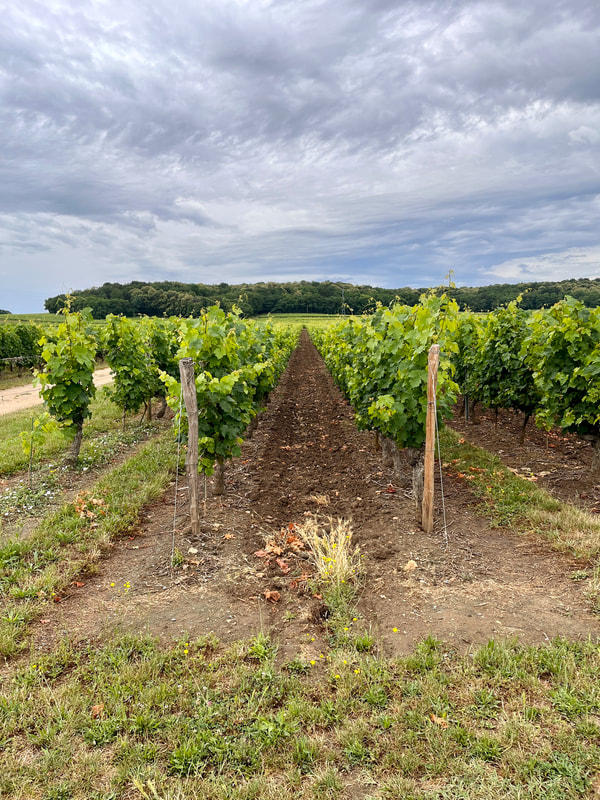
TLDR – take an e-bike (electric bike). We rode a traditional hybrid bike for our three-day 100-mile trip in the Loire Valley, but if we were to do it again, we would take the eBikes. For context, my husband rides at least 100 miles a week and I am fairly active and comfortable on a bike. Our decision to take an eBike the next time boils down to three main factors which, in retrospect, may be obvious. First, you cannot control the weather, and riding a bike means you are exposed to the elements. We were slowed down by both rain and heat during our tour. Second, the route is unfamiliar, so inevitably wrong turns are taken, and hills will be steeper than anticipated. Lastly, traveling by e-bike is faster which affords you additional time (and energy!) to explore places. The e-bike is a no-brainer.
Other Considerations
HELMETS – In France, helmets are only required for cyclists under 12 years old. However, helmets are non-negotiable in our house. The last thing we would want to happen is for an accident to occur that resulted in a severe head injury that could have been prevented with the use of a helmet, especially during an international trip. Overall, French drivers are very accommodating and give cyclists plenty of room, even on some of the more narrow thoroughfares.
TRAVEL INSURANCE – Similar to the helmet recommendation, travel insurance, including medical coverage, is a must. While it is recommended for almost any trip abroad, it is even more important on trips that involve physical activities, like riding a bike.
BIKE APPAREL – Bike shorts are a must-pack item, whether they are padded or not. Personally, I do not like padded bike shorts, so I wore athletic skorts that I would typically wear for tennis. It is also recommended to have clothes made from wicking material to keep you cool and dry.
RAIN JACKET – This was in my Amazon cart to purchase, but I thought since we were going to be in France the second half of June it wasn’t necessary. Unfortunately, climate change is throwing the typical weather patterns out the window. This packable one is small and worth the suitcase space.
SUN PROTECTION – The days on the bike could mean sun exposure for up to four hours a day. Even on cloudy days, a sunburn is possible! Sunglasses and sunscreen are necessary and should be in your pannier every day. Coola is my favorite sunscreen brand because it’s organic, sustainable, and cruelty-free.
Helpful Resources
- Self-Guided Bike Tour – Cycling for Softies
- Discovering France by Bike
- Loire Valley
 Adventures in Sweets
Leave a comment